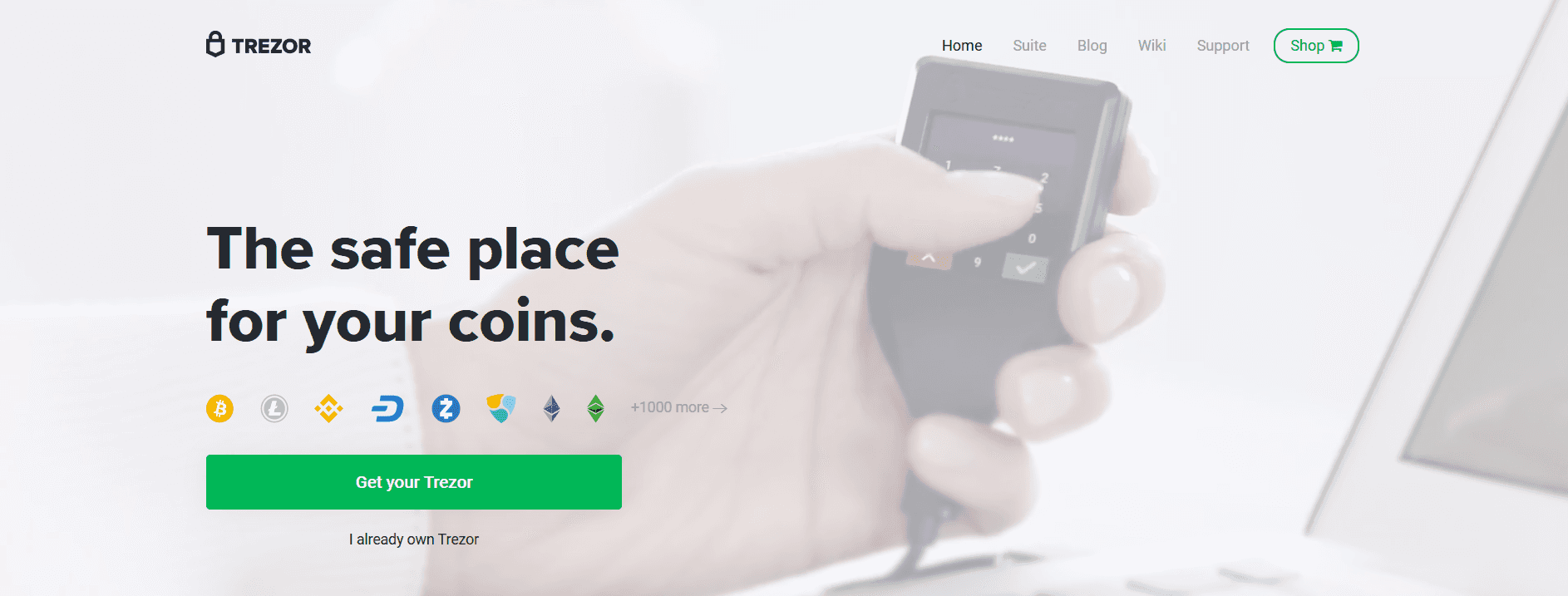
Trezor.io/start: Your Ultimate Guide to Secure Cryptocurrency Management
Managing cryptocurrency safely begins with the right tools and knowledge. Unlike traditional banking, crypto users are entirely responsible for the security of their digital assets. Losing a password, falling for a scam, or mishandling a recovery phrase can result in irreversible loss. Trezor hardware wallets provide a secure solution by keeping private keys offline, and the safest way to start your journey is through Trezor.io/start.
Trezor.io/start is the official onboarding portal for all Trezor devices. It guides users through firmware installation, wallet creation, and secure recovery setup. This guide covers everything you need to know—from first-time setup to long-term asset protection.
What Is Trezor.io/start?
Trezor.io/start is the official entry point for initializing Trezor hardware wallets. Developed by SatoshiLabs, the portal ensures that users set up their device securely and follow verified instructions.
Unlike third-party tutorials or unverified downloads, Trezor.io/start guarantees:
Official firmware installation
Offline private key generation
Secure recovery phrase creation
Protection against phishing and scams
By using Trezor.io/start, users establish a foundation of trust and security from day one.
Why the Setup Process Matters
The first setup is the most critical moment for a hardware wallet. During this phase:
Private keys are generated
Recovery phrases are created
Firmware is installed
PIN codes and security options are configured
If any of these steps are compromised, your assets could be permanently lost. Trezor.io/start ensures every step is secure and transparent.
How Trezor Hardware Wallets Work
A Trezor wallet is a physical device designed to store private keys offline. Even when connected to a computer, the device signs transactions internally, keeping your keys safe from malware or keyloggers.
Key Features
Offline storage of private keys
Transaction approval on-device
PIN and physical confirmation for security
Malware-resistant design
This structure ensures that only the user can authorize transactions.
Supported Trezor Devices
Trezor.io/start supports all official Trezor hardware wallets.
Available Models
Trezor Model One – Entry-level, reliable, and beginner-friendly
Trezor Model T – Premium model with touchscreen and advanced features
Both devices use the same secure setup logic to ensure consistent protection.
The Role of Trezor Suite
Trezor Suite is the official software interface for managing Trezor devices. Trezor.io/start directs users to download it as part of the setup process.
Functions of Trezor Suite
Viewing balances and transaction history
Sending and receiving cryptocurrencies
Managing multiple accounts and wallets
Configuring privacy and security settings
Installing firmware updates
Trezor Suite provides a user-friendly interface while the hardware wallet secures the private keys.
Step-by-Step Setup Using Trezor.io/start
Step 1: Access the Official Page
Type Trezor.io/start manually to avoid phishing sites.
Step 2: Select Your Device
Choose your Trezor model for accurate setup instructions.
Step 3: Download Trezor Suite
Install the application on your computer.
Step 4: Connect Your Trezor Device
Use the supplied USB cable.
Step 5: Install Firmware
Firmware installation activates security features and verifies device authenticity.
Step 6: Create or Recover a Wallet
Decide whether to generate a new wallet or restore an existing one.
Step 7: Backup Recovery Phrase
Write the recovery phrase offline and store it securely. This phrase is essential for restoring your wallet.
Why Firmware Installation Is Critical
New Trezor devices are shipped without active firmware to prevent tampering. Installing firmware during setup ensures:
Device authenticity
Protection against pre-installed malware
Activation of security features
Support for new cryptocurrencies
Firmware must be installed via Trezor Suite through Trezor.io/start.
The Importance of the Recovery Phrase
The recovery phrase is a series of words generated by your device. It is the master key to your wallet.
Functions
Restore wallet on a new device
Recover assets if the device is lost, stolen, or damaged
Transfer assets to another Trezor device
Best Practices
Never store digitally
Never share with anyone
Avoid entering it online
Avoid photographing or scanning
Trezor.io/start ensures recovery phrases are generated securely offline.
How Trezor.io/start Protects Against Scams
Phishing attacks are common in cryptocurrency. Trezor.io/start mitigates these risks by:
Avoiding online account creation
Not requiring emails or passwords
Ensuring recovery phrases remain on-device
Requiring manual confirmations for all actions
Any service asking for your recovery phrase outside the Trezor device is fraudulent.
Supported Cryptocurrencies
After setup, Trezor supports thousands of assets.
Popular Coins
Bitcoin (BTC)
Ethereum (ETH)
Litecoin (LTC)
Cardano (ADA)
Solana (SOL)
Polkadot (DOT)
ERC-20 tokens
Device model and firmware determine full compatibility.
Trezor.io/start vs Centralized Wallets
FeatureTrezor.io/startCentralized WalletKey OwnershipUserPlatformOnline ExposureMinimalHighRecovery ControlUser-onlyPlatformAccount FreezeImpossiblePossible
Trezor.io/start ensures true self-custody from the beginning.
Common Setup Mistakes
Using Ads or Search Results: Always type the URL manually
Skipping Recovery Backup: Without backup, funds are lost forever
Storing Recovery Phrase Digitally: Exposes assets to hackers
Ignoring Firmware Updates: Leaves device vulnerable
Lost or Stolen Device Protocol
The hardware wallet is replaceable; the recovery phrase is not.
Recovery Steps
Acquire a new Trezor device
Install Trezor Suite
Select “Recover Wallet”
Enter the recovery phrase offline
Your funds are restored safely.
Privacy Advantages
Trezor does not require:
Name
Email
Phone number
Identity verification
This supports financial privacy and aligns with decentralized principles.
Long-Term Use After Setup
After completing Trezor.io/start, users can:
Securely store long-term crypto holdings
Make verified transactions
Connect to DeFi platforms safely
Use third-party wallets with hardware-backed security
Sign transactions offline
The device becomes a permanent security layer for your assets.
Best Practices for Ongoing Security
Use a strong, unique PIN
Keep firmware up-to-date
Store recovery phrase securely (metal or fireproof backup recommended)
Disconnect device when not in use
Avoid using on untrusted computers
Conclusion
Trezor.io/start is the first step toward true self-custody of cryptocurrency. By guiding users through verified firmware installation, offline key generation, and secure recovery phrase creation, it eliminates the most common risks in crypto management. Anyone serious about protecting their digital assets should begin their journey at Trezor.io/start.