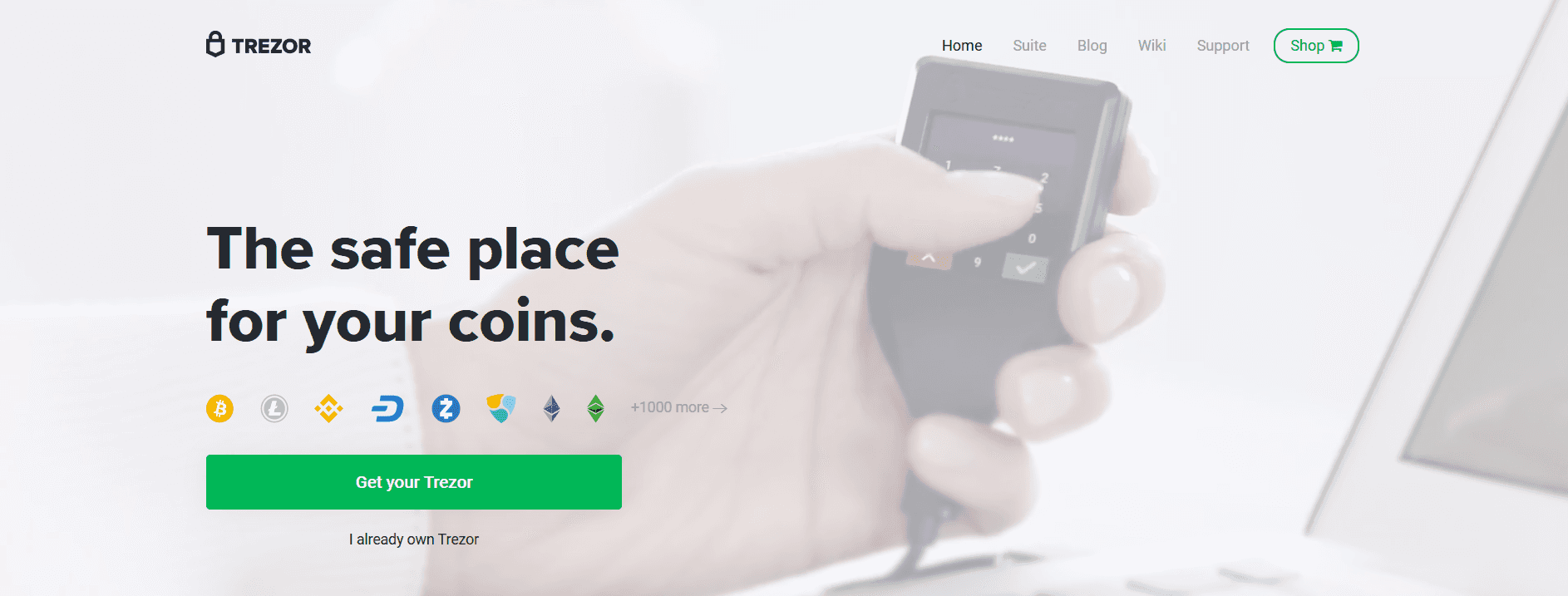
Trezor.io/start: A Beginner’s Guide to Secure Cryptocurrency Management
Cryptocurrency empowers users with full ownership of their financial assets, but it also places responsibility entirely on the individual. Unlike traditional banks, there is no central authority to reverse lost transactions or recover forgotten passwords. Hardware wallets, such as Trezor, solve this problem by keeping private keys offline and providing a secure way to manage your crypto.
The safest way to begin using a Trezor wallet is through Trezor.io/start, the official onboarding portal that ensures secure setup and protects users from scams, malware, and user errors. This guide will provide a complete walkthrough, explain security principles, and share best practices for long-term cryptocurrency management.
What Is Trezor.io/start?
Trezor.io/start is the official starting point for setting up a Trezor hardware wallet. Developed by SatoshiLabs, it provides a step-by-step process to:
Install verified firmware
Create a wallet safely
Generate a recovery phrase offline
Protect users from phishing or malicious software
Using the official portal ensures that your device is configured securely, and that your private keys are never exposed to the internet.
Why Setup Security Is Critical
The first time you initialize your hardware wallet is the most vulnerable moment. During setup:
Private keys are generated
Recovery phrases are created
Firmware is installed
PIN and security settings are configured
Any mistake at this stage can compromise your assets permanently. Trezor.io/start ensures that all steps occur in a trusted and controlled environment, minimizing risk.
How Trezor Hardware Wallets Protect Your Crypto
A Trezor wallet stores your private keys offline. Even when connected to a computer, all transaction signing occurs inside the device, preventing malware or keyloggers from stealing your funds.
Key Security Features
Offline key storage ensures private keys never leave the device
Physical confirmation (buttons or touchscreen) is required to approve transactions
PIN protection prevents unauthorized access
Device is resistant to malware and hacking attempts
This architecture guarantees that only the wallet owner can control cryptocurrency.
Trezor Devices Supported by Trezor.io/start
The portal supports all official Trezor wallets:
Available Models
Trezor Model One – Entry-level, reliable, beginner-friendly
Trezor Model T – Advanced model with touchscreen, more features
Both models follow the same secure setup process, ensuring consistent protection.
The Role of Trezor Suite
Trezor Suite is the official desktop application used to manage Trezor devices. Trezor.io/start guides users to download it during setup.
Capabilities
View balances and transaction history
Send and receive cryptocurrencies
Manage multiple wallets and accounts
Configure privacy and security settings
Install firmware updates
While Trezor Suite provides the user interface, the hardware wallet ensures that private keys remain secure.
Step-by-Step Setup Using Trezor.io/start
Step 1: Open the Official Page
Always type Trezor.io/start manually to avoid phishing websites.
Step 2: Select Your Device
Choose your Trezor model to get device-specific instructions.
Step 3: Download Trezor Suite
Install the application on your desktop or laptop.
Step 4: Connect the Device
Use the USB cable included with your Trezor.
Step 5: Install Firmware
Firmware installation confirms the device’s authenticity and activates security features.
Step 6: Create or Restore a Wallet
You can either generate a new wallet or restore an existing one using a recovery phrase.
Step 7: Secure Your Recovery Phrase
Write down your recovery phrase offline and store it safely. It is the key to recovering your wallet if your device is lost or damaged.
Why Firmware Installation Is Essential
Trezor devices are intentionally shipped without active firmware to prevent tampering during shipping. Installing firmware during setup ensures:
Device authenticity
Protection from malware
Activation of advanced security features
Support for new cryptocurrencies
Firmware should only be installed via Trezor Suite through Trezor.io/start.
Understanding the Recovery Phrase
The recovery phrase is a set of words generated by the device, representing your private keys.
Purpose
Restore a wallet on a new device
Recover funds if the original device is lost, stolen, or damaged
Migrate assets to another Trezor device
Best Practices
Never store digitally
Never share with anyone
Never input it online
Avoid taking photos or screenshots
Trezor.io/start ensures your recovery phrase is generated offline.
How Trezor.io/start Protects Against Scams
Phishing attacks are the most common threat in cryptocurrency. Trezor.io/start mitigates these risks:
No email or password is required
Recovery phrases remain on-device
Physical confirmation is needed for every action
No cloud or online storage of keys
Any request for your recovery phrase outside the device should be treated as fraudulent.
Supported Cryptocurrencies and Tokens
After setup, Trezor allows you to manage thousands of cryptocurrencies.
Popular Assets
Bitcoin (BTC)
Ethereum (ETH)
Litecoin (LTC)
Cardano (ADA)
Solana (SOL)
Polkadot (DOT)
ERC-20 tokens
Device model and firmware determine full compatibility.
Trezor.io/start vs Centralized Wallets
FeatureTrezor.io/startCentralized WalletKey OwnershipUserPlatformOnline ExposureMinimalHighRecovery ControlUser-onlyPlatformAccount FreezeImpossiblePossible
Using Trezor.io/start ensures true self-custody from the beginning.
Common Beginner Mistakes
Using Search Ads: Only type the official URL
Skipping Recovery Backup: Funds cannot be recovered without it
Storing Phrase Digitally: Exposes assets to hackers
Ignoring Firmware Updates: Leaves the device vulnerable
What to Do If Your Device Is Lost
The Trezor device itself is replaceable; the recovery phrase is critical.
Steps
Acquire a new Trezor device
Install Trezor Suite
Select “Recover Wallet”
Enter the recovery phrase offline
All assets are restored securely.
Privacy Benefits of Trezor.io/start
Trezor does not require:
Names
Email addresses
Phone numbers
Identity verification
This supports anonymity and decentralization.
Long-Term Use After Setup
Once your wallet is configured through Trezor.io/start:
Store crypto securely for the long term
Make verified transactions
Connect safely to DeFi platforms
Sign transactions offline
Integrate with third-party wallets
The device becomes a permanent security layer for your digital assets.
Best Practices for Long-Term Security
Set a strong, unique PIN
Update firmware regularly
Store recovery phrase securely (metal or fireproof backup recommended)
Disconnect device when idle
Avoid untrusted computers
Conclusion
Trezor.io/start is the gateway to secure cryptocurrency ownership. By guiding users through verified firmware installation, offline key generation, and proper recovery phrase handling, it minimizes the risk of loss and establishes a strong foundation for self-custody. Anyone serious about cryptocurrency should begin their journey at Trezor.io/start.